Custom Learning Platforms
Complete learning management systems designed for your specific needs. Course management, student enrollment, content delivery, and reporting—all built to match your teaching methodology and scale with your growth.

Whether you're running corporate training, university courses, or online education programs, you need a platform that makes learning straightforward for students and easy to manage for instructors. Off-the-shelf solutions often force you to adapt your teaching methods to fit their limitations.
We build custom e-learning systems tailored to how you actually teach and train. From course delivery and progress tracking to assessments and certifications, we create platforms that fit your workflow—not the other way around.
Complete learning management systems designed for your specific needs. Course management, student enrollment, content delivery, and reporting—all built to match your teaching methodology and scale with your growth.
Intuitive systems for creating and organizing courses. Upload videos, documents, and assignments. Structure content with learning paths, prerequisites, and modules. Support for both instructor-led and self-paced learning.
See exactly how students are progressing. Track completion rates, assessment scores, and engagement. Identify students who need help and generate reports for administrators, instructors, and learners.
Create quizzes, assignments, and exams with automated grading. Issue certificates and digital badges upon completion. Support for various question types, time limits, and progress requirements.
Discussion forums, live video sessions, group projects, and peer collaboration. Keep students engaged with tools that encourage interaction and community building around your courses.
Modern e-learning platforms can do a lot. Here's what we can integrate:
Building an effective e-learning platform requires thinking beyond features. Here's what we focus on:
Your platform needs to grow with you. We build systems that handle everything from dozens to thousands of students without performance issues. Optimized databases, CDN integration, and cloud infrastructure that scales automatically.
Learning should be accessible to everyone. We ensure WCAG 2.1 compliance with screen reader support, keyboard navigation, video captions, and adjustable text sizes. This isn't just about legal requirements—it improves the experience for all users.
Your e-learning platform should work with your existing tools. We integrate with student information systems, HR platforms, payment processors, and communication tools to create a seamless workflow and eliminate duplicate data entry.
We provide ongoing support for security updates, bug fixes, and new features. Regular maintenance keeps your platform secure and performing well as your needs evolve.
We build your e-learning platform in collaboration with you. Here's our process:
We start by learning about your teaching methods, target audience, and technical requirements. What courses will you offer? How do you assess learning? What integrations do you need? This helps us design a platform that serves your actual needs.
We create wireframes and mockups for your review. The goal is an interface that's intuitive for both instructors and students—reducing training time and support requests. We focus on accessibility and creating an environment that keeps learners engaged.
We build your platform using reliable, modern technologies. If you have existing content, we help migrate it efficiently. You'll get regular updates and can test features as we build. Security and performance are priorities from day one.
After testing, we launch your platform and train your team on how to use it effectively. We provide ongoing support for updates, security patches, and new features as your needs evolve.
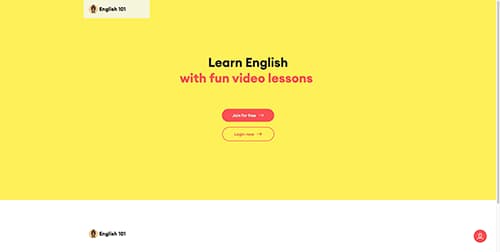
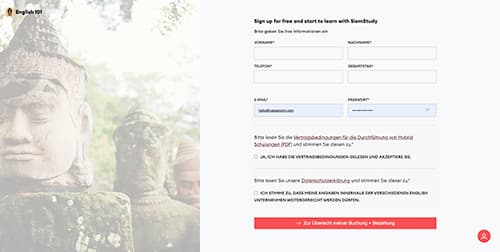
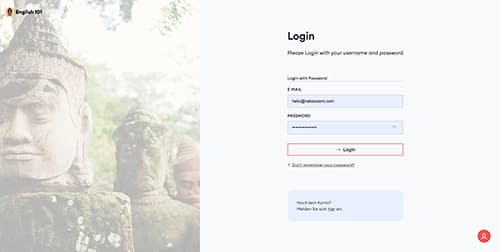

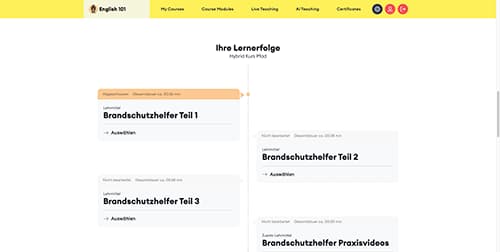
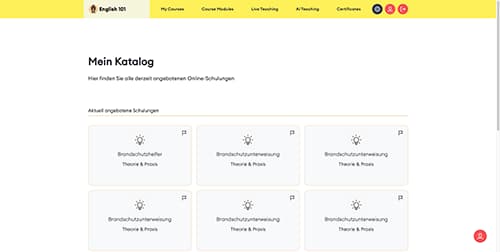
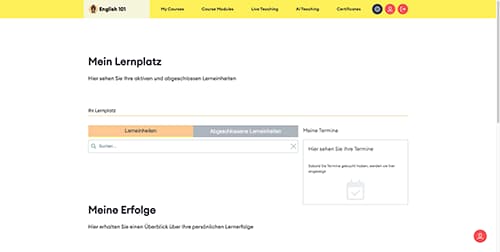

Custom learning platforms serve multiple purposes depending on your goals. Private schools use them to deliver curriculum and track student progress. Companies implement them for employee onboarding, ongoing professional development, and compliance training. Organizations with specialized knowledge often build platforms to monetize their expertise by selling courses to external customers. The beauty of a custom system is that it can serve multiple audiences—you might train your employees internally while also offering paid certification programs to clients. The platform adapts to your specific teaching methodology and business model rather than forcing you into a predetermined structure.
A dedicated learning platform transforms onboarding from scattered documents and manual training sessions into a structured, trackable process. New employees can complete essential training at their own pace before their first day, access company policies and procedures anytime, and revisit materials as needed. Managers see exactly what each new hire has completed and where they might need additional support. You can standardize the onboarding experience across locations while still customizing content for different roles or departments. Most importantly, it frees up your team from repeating the same training sessions, allowing them to focus on relationship-building and hands-on mentorship.
Absolutely. Many organizations monetize their expertise through custom learning platforms. You can offer individual courses, subscription packages, or certification programs. The platform handles payment processing, access control, and certificate issuance automatically. This works particularly well if you have specialized knowledge—consulting firms offering industry training, professional associations providing certification courses, or businesses teaching proprietary methodologies. You control pricing, can offer free trial content to attract customers, and track which courses generate the most revenue. It's a scalable business model since creating digital courses once lets you sell them repeatedly with minimal additional cost.
For industries with regulatory requirements, a learning platform provides automated compliance management. The system tracks who has completed which training, sends automatic reminders for upcoming renewals, and generates audit-ready reports instantly. You can set completion deadlines, require passing scores before certification, and maintain permanent records for inspections. When regulations change, you update the content once and the system ensures everyone completes the new training. This eliminates the administrative burden of tracking spreadsheets, chasing employees for completion, and scrambling to prepare documentation when auditors arrive. Compliance becomes an automated background process rather than a constant management headache.
Custom platforms excel at delivering complex, specialized content because they're built around your specific needs. You can incorporate interactive simulations for hands-on practice, embed proprietary tools or software demonstrations, create branching scenarios that adapt based on learner decisions, and implement assessments that truly measure competency rather than just memorization. For technical training, you might include virtual labs, code environments, or equipment simulations. The platform can also integrate with your existing systems—pulling real project data for case studies or connecting with certification databases. This flexibility is crucial when your training content doesn't fit standard course templates.
Modern learning platforms provide deep insights into actual learning outcomes. Beyond tracking who finished what, you can measure knowledge retention through spaced repetition assessments, identify content that learners struggle with based on common mistakes, track skill progression over multiple courses, and correlate training completion with performance improvements. For businesses, this might mean connecting training data with sales metrics, error rates, or customer satisfaction scores. For schools, it could involve tracking student progress toward learning objectives across semesters. These insights help you continuously improve content—if everyone struggles with a particular module, that indicates the teaching approach needs refinement, not that learners aren't trying hard enough.
Yes, and this is a significant advantage of digital learning platforms. Self-paced learning allows each person to spend time on concepts they find challenging while moving quickly through familiar material. You can offer the same content in multiple formats—video for visual learners, text for readers, interactive exercises for hands-on learners. The platform can implement adaptive learning paths that adjust difficulty based on performance, provide optional supplementary materials for those wanting deeper knowledge, and allow learners to bookmark content for later review. For employee training, this means accommodating busy schedules—someone can complete a 30-minute module during lunch rather than blocking out a full day for classroom training. For schools, it supports differentiated instruction at scale.
From your side, the requirements are minimal. You need content (videos, documents, presentations) and subject matter experts who understand what needs to be taught. We handle the technical infrastructure—hosting, security, backups, and maintenance. The platform works through standard web browsers, so there's no special software to install. For learners, they just need internet access and a device—computer, tablet, or smartphone. If you're selling courses, we integrate payment processing. If you need connections to existing systems like your HR software or student information system, we build those integrations. We also provide training for your administrators and content creators so they can manage the platform without technical expertise.
Mobile access fundamentally changes when and how learning happens. Instead of requiring dedicated time at a desk, learners can engage during commutes, waiting times, or breaks. This increases completion rates significantly because people can fit learning into their existing schedules. For field workers or distributed teams, mobile might be the primary way they access training. Mobile also enables just-in-time learning—an employee can quickly reference a procedure right before performing a task, making the training immediately relevant and more likely to be retained. The key is designing mobile experiences properly, not just shrinking desktop content. This means touch-friendly interfaces, video optimized for cellular networks, and content structured for shorter attention spans.
Timeline depends on complexity and scope. A basic platform for internal training with standard features typically takes 3-4 months from initial planning to launch. More complex systems with custom features, multiple user types, payment processing, or extensive integrations might take 4-6 months. The process includes understanding your teaching methodology, designing the user experience, building the platform, migrating existing content if you have it, and training your team. We work iteratively, so you see progress throughout and can provide feedback. Many clients launch with core functionality and add features over time as they learn what their users need. This phased approach gets you up and running faster while allowing the platform to evolve with your understanding of what works best.